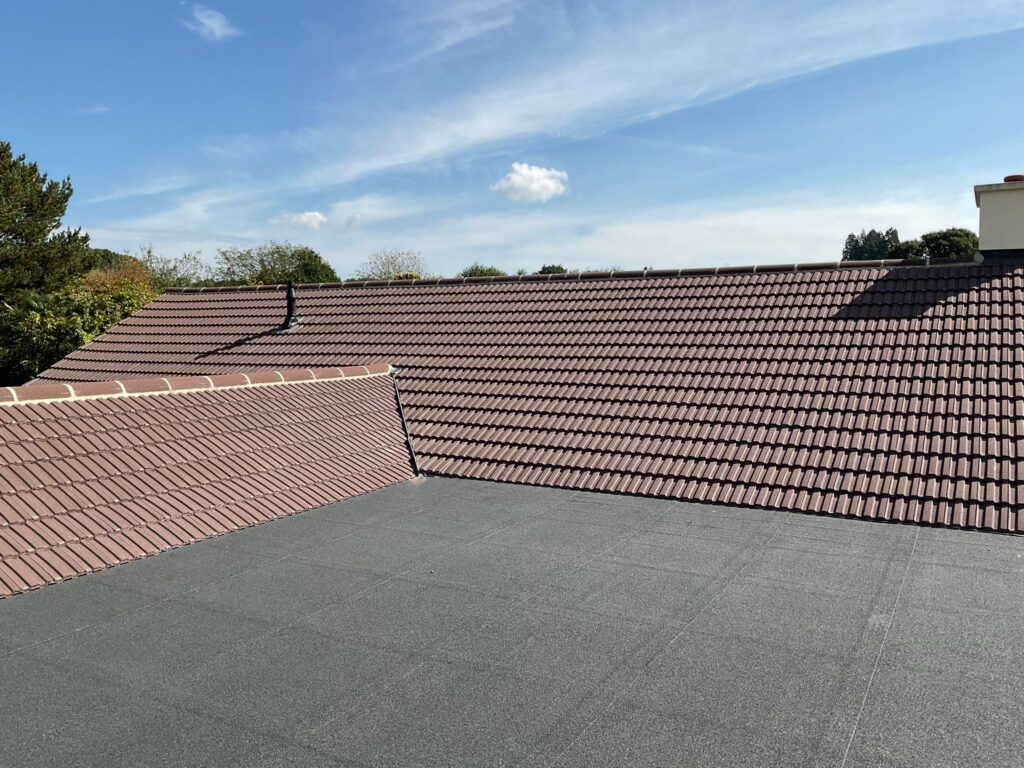
Small roofing problems can be easy to overlook, particularly when there are no obvious signs of water entering the property. However, a cracked tile, loose flashing or blocked gutter can gradually develop into a more serious issue if left unaddressed. For homeowners in Sherborne, Dorset, recognising early warning signs and arranging appropriate repairs can help protect the roof and the rest of the property.
Understanding how minor roofing defects develop makes it easier to take action at the right time and avoid unnecessary damage to the building.
Identify Early Warning Signs
One of the most effective ways to prevent a minor roof problem from becoming a major repair is to recognise the signs of deterioration early. Roofing issues do not always begin with a noticeable leak. Sometimes, the first indication is a slipped tile, a small damp patch on a ceiling or a section of guttering that no longer drains properly.
Look out for:
- Cracked, loose or missing roof tiles
- Damp patches or water marks on ceilings
- Water entering the loft after rainfall
- Loose or deteriorating flashing
- Damaged or overflowing gutters
- Moss or debris collecting in areas where water needs to drain away
These signs do not always indicate extensive damage, but they should not be ignored. Identifying the cause early allows the appropriate repair to be carried out before the problem affects other parts of the roof.
Arrange Roof Repairs Promptly
A small defect can allow water to enter the roof structure, especially during prolonged or heavy rainfall. Once moisture reaches the underlying materials, it can affect timber, insulation and internal finishes.
For example, a single damaged tile may seem insignificant, but repeated exposure to rain can gradually increase the affected area. Similarly, loose flashing around a chimney or roof junction can allow water to enter whenever the weather exposes the gap.
Arranging a professional assessment when damage is first noticed helps establish whether a straightforward repair is sufficient or whether additional deterioration needs attention.
Keep Gutters and Drainage Clear
Gutters play an important role in directing rainwater away from the roof and walls. When leaves, moss and other debris restrict the flow of water, gutters can overflow and allow moisture to collect around roof edges.
Over time, persistent water exposure can contribute to dampness and deterioration of surrounding materials. Damaged joints, loose brackets and poorly draining downpipes can create similar problems.
Regularly checking the condition of gutters and arranging maintenance when necessary can help reduce these risks. Any work involving roof edges or working at height should be left to a suitably equipped professional rather than attempted without the proper safety measures.
Pay Attention to Flashing and Roof Junctions
Some of the most vulnerable areas of a roof are the points where different materials or sections meet. Flashing around chimneys, roof valleys and adjoining roof surfaces helps prevent water from entering these junctions.
If flashing becomes loose, cracked or deteriorated, water may find its way beneath the roof covering. The resulting damp patch may appear some distance from the actual defect, making the problem difficult to identify without a closer inspection.
Having these areas checked when signs of deterioration appear can help prevent a localised fault from affecting a wider section of the roof.
Do Not Ignore Recurring Damp Patches
A damp patch that disappears during dry weather may seem to have resolved itself, but this does not necessarily mean the underlying problem has been fixed. Water can enter intermittently, depending on rainfall direction, wind conditions and the location of the damaged roofing component.
Repeatedly treating the visible stain without investigating its source may allow the original defect to remain unnoticed. A roofer can assess the roof and investigate whether the moisture is caused by damaged tiles, defective flashing, drainage issues or another problem.
It is also important to distinguish between rainwater ingress and condensation, as these require different solutions.
Arrange Inspections After Severe Weather
Strong winds and heavy rain can loosen roof tiles, damage flashing and expose existing weaknesses. Not all storm damage is immediately visible from the ground, so a roof may require closer assessment even when there are no obvious missing tiles.
After severe weather, look for visible signs of damage from a safe position and pay attention to any new leaks or dampness. If you suspect a problem, arrange a professional inspection rather than climbing onto the roof yourself.
Prompt attention can help identify defects before further rainfall causes additional deterioration.
Choose Repairs That Address the Underlying Cause
An effective roof repair should deal with the source of the problem, not simply the symptoms. For instance, replacing a damaged tile may resolve a localised issue, but if surrounding tiles have also deteriorated, further repairs may be needed.
Likewise, sealing a visible gap without checking the surrounding flashing or roof junction may fail to address the reason water is entering.
A professional assessment helps determine the extent of the damage and the most suitable repair. This approach supports the long-term condition of the roof and reduces the likelihood of the same problem returning.
How MCM Roofing Repairs Sherborne Can Help
At MCM Roofing Repairs Sherborne, we understand the importance of addressing roofing problems before they develop further. Whether you have noticed a slipped tile, a recurring leak, damaged flashing or another sign of deterioration, we can assess the affected area and advise on the appropriate repair.
For homeowners in Sherborne, Dorset, dealing with roofing concerns early can help maintain the roof’s condition and protect the property from avoidable water damage.
Conclusion
Preventing a minor roof problem from becoming a major repair starts with recognising early warning signs, maintaining effective drainage and arranging professional attention when defects appear. Small issues can worsen when exposed to repeated rainfall, so delaying an inspection may allow damage to spread beyond the original affected area.
If you have noticed a roofing problem at your property in Sherborne, Dorset, contact MCM Roofing Repairs Sherborne to arrange an assessment and find out what work may be needed to keep your roof in good condition.
Call us on: 01935 312 694
Click here to find out more about MCM Roofing Repairs Sherborne
Click here to complete our contact form and see how we can help with your roofing needs.