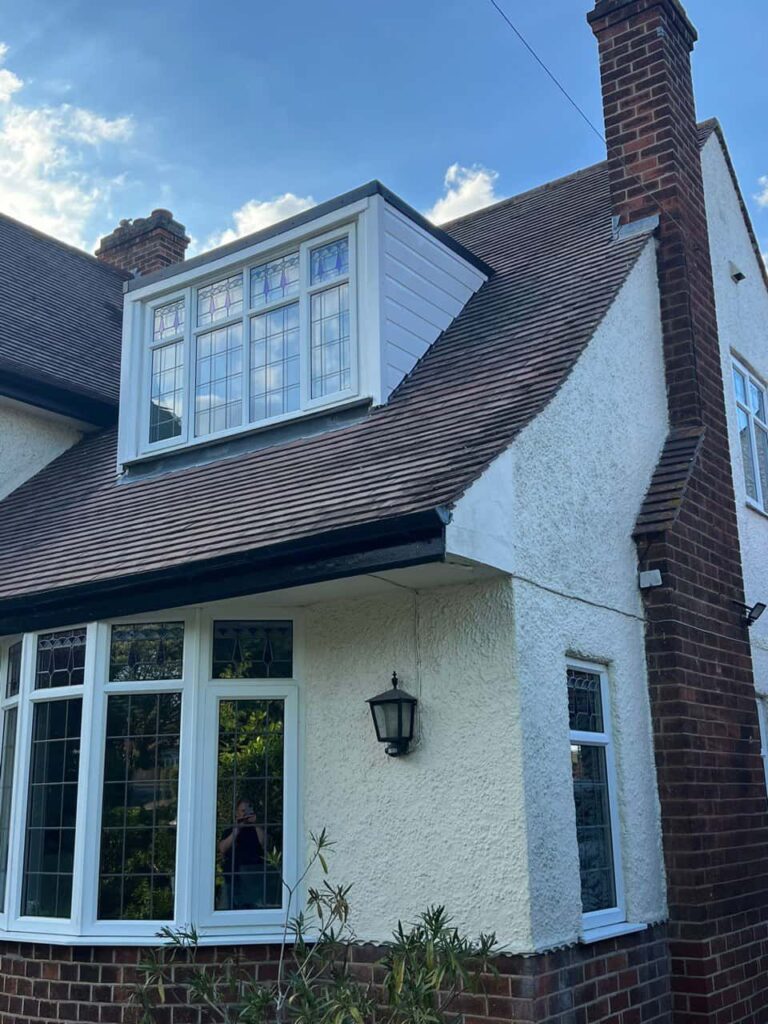
Tiled roofs have been a familiar feature of British homes for generations, and they remain a highly practical roofing choice today. Their continued popularity is not simply down to traditional appearance. A professionally installed tiled roof provides a combination of durability, effective weather protection, design flexibility and straightforward maintenance that suits many residential properties.
The individual-tile construction also provides an important practical advantage. If localised damage occurs, it may be possible to replace or repair the affected tiles without disturbing large areas of otherwise serviceable roofing.
For homeowners in Sherborne, Dorset, understanding how a tiled roof works and what keeps it performing effectively can make it easier to recognise when maintenance or professional roof repairs are required. MCM Roofing Repairs Sherborne provides professional tiled roof repairs and roofing services based on the actual condition of the roof.
What Is a Tiled Roof?
A tiled roof is normally a pitched roofing system covered with overlapping tiles arranged to direct rainfall towards the lower edge of the roof.
The tiles form the visible weather-facing layer, but they are only one part of the complete roofing system.
A Typical Tiled Roof Relies on Several Components
These can include:
- Roof tiles
- Battens and fixings
- Underlay or membrane
- Ridge and hip components
- Verges
- Valleys where present
- Lead flashing around vulnerable junctions
- The supporting roof structure
For the roof to perform correctly, these different components need to work together.
Why Are Roof Tiles So Well Suited to Pitched Roofs?
The combination of a pitched structure and overlapping tiles provides an effective way of managing rainfall.
Rather than allowing large quantities of water to remain on the roof surface, the slope encourages it to travel downwards. Correctly positioned tiles overlap one another to provide a continuous protective covering.
This straightforward principle has helped make tiled roofing a dependable choice for residential properties.
1. Tiled Roofs Provide Effective Weather Protection
One of the primary jobs of any roof is to protect the building beneath it.
Properly installed tiles create a durable external covering capable of dealing with the changing weather conditions experienced throughout the year.
However, this protection depends on the tiles remaining correctly positioned and in good condition.
Problems Can Develop When Tiles Become:
- Cracked
- Broken
- Displaced
- Loose
- Missing
- Heavily deteriorated
Early attention to these defects can help keep a relatively minor problem confined to one area.
2. Individual Tiles Can Often Be Repaired or Replaced
The modular construction of a tiled roof is one of its strongest practical advantages.
If a small number of tiles become damaged while the surrounding roof remains in sound condition, targeted repairs may be possible.
For example, an isolated slipped or cracked tile does not automatically mean that the entire roof needs replacing.
Localised Repairs Can Be Appropriate When:
- Damage is limited to a small area
- Surrounding tiles remain serviceable
- The supporting roof is in suitable condition
- There is no widespread deterioration
- The cause of the problem can be clearly identified
A professional inspection can establish whether a local repair is sufficient.
3. Tiled Roofs Offer a Traditional Appearance
Roofing has a substantial influence on the overall character of a property because it covers such a large and visible area.
Tiles provide a familiar appearance that works naturally with many different house styles.
Different profiles, finishes and arrangements can create subtle differences in character while retaining the recognisable appearance associated with pitched tiled roofing.
For homeowners in Sherborne, a well-maintained tiled roof can complement the property rather than appearing disconnected from the rest of its exterior.
4. A Well-Constructed Tiled Roof Is Designed for Long-Term Use
A tiled roof is not simply a decorative covering placed over a building.
When correctly constructed and appropriately maintained, the complete roofing system is intended to provide dependable protection over the long term.
The key is to consider the condition of the complete roof rather than focusing solely on the visible tiles.
A roof may have perfectly serviceable tiles while requiring attention around flashing, ridges or other details. Conversely, individual tiles may require replacement while the wider roof remains in good condition.
5. Maintenance Can Often Be Targeted
Tiled roofing makes it possible to identify and address particular defects without automatically carrying out unnecessary work elsewhere.
This is especially valuable when deterioration is concentrated in a limited area.
Common Tiled Roof Repairs Can Include:
- Replacing broken tiles
- Reinstating slipped tiles
- Addressing loose ridge components
- Repairing verge defects
- Correcting flashing problems
- Investigating leaks
- Repairing localised storm damage
The appropriate repair should always be based on the underlying cause rather than simply the most visible symptom.
6. Tiled Roofs Work Well With Different Roof Shapes
Tiles can be incorporated into many pitched roof designs.
Roofs may include hips, valleys, ridges, chimneys and different changes in direction. Tiles can form the main covering while appropriate roofing details manage these more complex areas.
This flexibility is another reason tiled roofing remains widely used.
However, complex junctions require careful installation because these areas can become vulnerable if surrounding materials deteriorate.
7. Roof Tiles Can Be Assessed Individually and Collectively
One useful feature of tiled roofing is that its condition can be considered on two levels.
A roofer can assess individual damaged tiles while also looking at the condition of the roof covering as a whole.
This distinction becomes particularly important on older roofs.
One broken tile may be a straightforward repair. Numerous deteriorating tiles across several roof slopes could indicate that the roof is approaching the stage where broader work should be considered.
What Are the Most Common Problems With Tiled Roofs?
Like any roofing system, tiled roofs require attention when defects develop.
Slipped Tiles
A tile that moves out of position can expose the area underneath to the weather.
Slippage may occur because of deterioration, fixing problems or severe weather conditions.
Broken or Cracked Tiles
A tile can remain in position while being cracked or damaged. This can make the defect difficult to notice from ground level.
Missing Tiles
Strong winds can sometimes dislodge vulnerable tiles completely, leaving an obvious gap in the roof covering.
Ridge Problems
Ridge components occupy an exposed position at the top of the roof and should remain secure and correctly aligned.
Flashing Defects
Lead flashing around chimneys and roof junctions can deteriorate independently of the tiles and become a source of water ingress.
Verge Deterioration
The edges of the roof are exposed to wind and weather and can require attention as materials age.
Why Can One Slipped Tile Matter?
A single slipped tile may look relatively insignificant compared with the size of the complete roof.
However, each tile forms part of the overlapping weather-resistant covering.
When one moves out of position, the area beneath may become more exposed to rainfall.
This does not mean one slipped tile represents a major roofing failure. It means that early localised repair can be worthwhile before repeated poor weather has an opportunity to affect the vulnerable area.
How Does Stormy Weather Affect Tiled Roofs?
Strong winds can place additional pressure on tiles that are already loose or vulnerable.
Following particularly unsettled weather, homeowners may notice tiles sitting out of alignment or roofing materials on the ground.
After Stormy Weather, Look Safely From Ground Level For:
- Visible gaps
- Misaligned tiles
- Broken materials
- Changes around ridges
- New internal damp patches
- Roofing debris around the property
Avoid climbing onto the roof yourself. Detailed inspection should be undertaken using appropriate methods and equipment.
Why Roof Leaks Need Proper Investigation
If a tiled roof begins leaking, the damaged component may not sit directly above the internal damp patch.
Water can enter through a displaced tile, flashing defect or roof junction before travelling through the construction and becoming visible elsewhere.
A professional investigation therefore considers the surrounding roof rather than simply repairing whichever tile appears closest to the internal stain.
Leak Investigation May Include Checking:
- The condition of the tiles.
- Nearby ridges and verges.
- Chimney and wall junctions.
- Lead flashing.
- Valleys and changes in roof direction.
- Evidence of previous repairs.
- The condition of the surrounding roof covering.
Finding the true entry point is essential for an effective repair.
Does an Older Tiled Roof Automatically Need Replacing?
No.
Age should be considered alongside condition rather than used as the only reason to replace a roof.
An older tiled roof may still have substantial serviceable areas and only require targeted attention to particular defects.
Repairs May Still Be Appropriate When:
- Problems remain localised
- Most tiles are in satisfactory condition
- The roof has not developed widespread leaks
- Supporting components remain serviceable
- Individual defects can be repaired effectively
Professional assessment can help distinguish normal ageing from more substantial deterioration.
When Might Replacement Become More Appropriate?
There comes a point when repeatedly repairing individual sections may no longer address the condition of the roof as a whole.
Broader roofing work may deserve consideration where there is widespread deterioration across numerous components.
Warning Signs Can Include:
- Numerous failing tiles
- Repeated leaks in different locations
- Frequent tile movement
- Extensive deterioration across several roof slopes
- Multiple vulnerable roof details
- Repairs repeatedly becoming necessary
The decision should be based on the overall condition rather than one isolated defect.
Why Professional Tiled Roof Repairs Matter
Replacing a tile may appear straightforward, but professional roof repairs involve more than filling a visible gap.
An experienced roofer can investigate why the problem occurred and whether neighbouring materials have also been affected.
For example, repeatedly replacing slipped tiles without understanding why they continue moving may fail to address the underlying issue.
Professional assessment also helps avoid unnecessary work by identifying which parts of the roof remain perfectly serviceable.
Regular Observation Can Help Identify Problems Earlier
Homeowners do not need to inspect the roof at close range to remain aware of its condition.
Occasionally looking at the roof safely from ground level can help identify obvious changes.
Pay attention to:
- Tiles that appear out of alignment
- Visible gaps
- Broken tiles
- Changes around the ridge
- Roofing materials found on the ground
- New dampness indoors
- Problems that appear after heavy rain or strong winds
If something has noticeably changed, professional inspection can determine whether attention is required.
Tiled Roof Repairs in Sherborne
For homeowners in Sherborne, Dorset, MCM Roofing Repairs Sherborne provides professional assessment and repair of tiled roofing.
Whether the problem involves slipped or broken tiles, leaks, flashing, ridge deterioration or another localised defect, the aim is to identify the cause before recommending the appropriate work.
Where the wider roof remains serviceable, targeted repairs can address damaged areas without unnecessarily disturbing sound roofing. Where deterioration is more extensive, the overall condition can be considered to determine the most appropriate next step.
Conclusion
Tiled roofs remain a popular choice for British homes because they combine practical weather protection, a familiar appearance, design flexibility and the ability to carry out targeted repairs when individual areas become damaged.
Their long-term performance, however, depends on more than the tiles themselves. Flashing, ridges, verges, junctions and the supporting roofing system all need to remain in suitable condition.
One damaged tile does not automatically mean a roof needs replacing, just as an older tiled roof should not be judged by age alone. The most useful approach is to assess the condition of the complete roof and address problems according to their actual extent.
If your tiled roof in Sherborne, Dorset has developed slipped tiles, leaks or other signs of deterioration, MCM Roofing Repairs Sherborne can assess the roof and provide appropriate professional repairs based on what it genuinely requires.
Call us on: 01935 312 694
Click here to find out more about MCM Roofing Repairs Sherborne
Click here to complete our contact form and see how we can help with your roofing needs.